
Your Doula Training Meant Well. Loss Asks for More.
This blog explores three common beliefs that many professionals in the perinatal space hold as they navigate supporting loss families: 1) Time heals, 2) I’ll just follow the family’s lead, and 3) Don’t bring it up. It might make it worse. Vallen unpacks each of these beliefs and then shares alternatives for care professionals to use in their work with grief and loss.
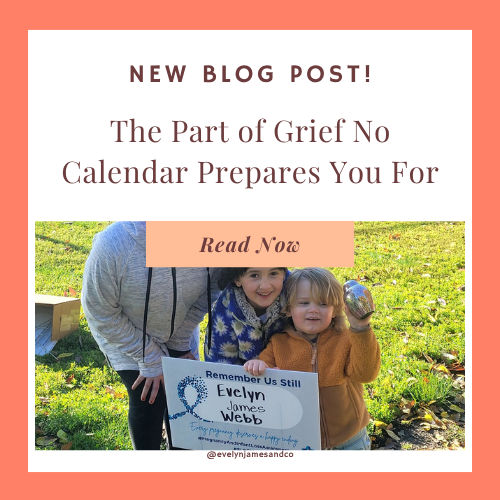
The Part of Grief No Calendar Prepares You For
This blog helps readers understand how to show up for pregnancy and infant loss families in the off-times. Many people check in around holidays and the baby’s birthday, but Vallen reminds us that the off-the-cuff texts and check-ins can also be so supportive for families.

That Pit in Your Stomach is Information
This blog focuses on how to changes feelings of anxiety to feelings of preparedness surrounding support for loss families. It helps doulas and other care-based professionals in the perinatal space to prepare for loss with explicit instructions for tuning into intiution and showing up for families authentically.

Kind is Not the Same as Prepared
This blog explores how to show up with preparedness to any loss event. It gives explanation about why kindness, while super important, is not the same as being prepared to support a family through loss. It gives suggestions for practicical ways to be prepared to support families, in the long term and in the short.

One Question That Changes the Care
This blog focuses on the one question that can change support during grief.

The Podcast is Back!
Our podcast is back! We’ve rebranded and are moving more towards a podcast for perinatal professionals to help them prepare, navigate, and reflect on pregnancy and infant loss.

When Compassionate Professionals Don't Know What to Say
Most professionals who support a family through pregnancy or infant loss care deeply. The problem is that many were never actually taught what to say when there is no heartbeat, a miscarriage happens, or a baby dies. When compassionate professionals do not know what to say, fear and discomfort can lead to silence, clichés, overexplaining, or words a grieving family remembers forever. This article offers a different way forward: practical, trauma informed communication that helps nurses, doulas, birth workers, and perinatal professionals stay present when families need them most.
Not a story I share often.. Jennifer's Story
After years of infertility, I finally got pregnant, with triplets. But at 10 weeks, I lost one of them. I carried life and loss at the same time. This story is for every parent who has grieved a baby while still holding onto hope. You’re not alone, and your baby mattered.

Can a Stillborn Baby Be Cremated? What Parents Need to Know About Cremation After Stillbirth
Can a stillborn baby be cremated? Yes, and for many families, it can be a meaningful and flexible way to honor their baby. This guide walks you through cremation options, what to expect, and how to make this decision with support and compassion.

How Can I Become Certified to Support Families Through Pregnancy and Infant Loss?
If you feel called to support families through miscarriage, stillbirth, TFMR, or infant loss, specialized training matters. Here’s how to become certified in pregnancy and infant loss support and what to look for in a trauma-informed program.
What Support Is Available for Families Affected by Stillbirth?
After stillbirth, families are often left navigating grief, postpartum recovery, and life after loss without enough support. This guide walks you through the emotional, physical, and practical resources available so you don’t have to do this alone.

What Happens to Your Body After Stillbirth?
After stillbirth, your body still goes through postpartum recovery, bleeding, hormonal shifts, milk production, and healing, while you are grieving your baby. This guide walks you through what to expect physically and how to care for your body with compassion and support.
Funeral Homes, Burial, and Cremation After Stillbirth: What Parents Need to Know
Planning a funeral, burial, or cremation after stillbirth is one of the most overwhelming and heartbreaking experiences a parent can face. In the middle of grief, shock, and physical postpartum recovery, families are often asked to make deeply personal decisions they were never prepared for. This guide gently walks you through your options, from funeral homes and memorial services to burial, cremation, and taking your baby home, so you can make informed, supported choices that honor your baby in a way that feels right for you.

How Do You Support a Mom After Stillbirth?
Learn how to support a mother after stillbirth with compassionate, trauma-informed guidance. Practical tips for family, friends, and professionals.

What are the signs of stillbirth?
What are the signs of a stillbirth? This guide shares evidence-based information on warning signs, when to seek immediate care, and how to trust your instincts during pregnancy.

What is the Main Cause of Stillbirth?
Understanding the causes of stillbirth is important not only for grieving families but also for healthcare professionals working to improve prevention and care.

What to Say in a Card When Someone Loses a Baby
Writing a sympathy card after someone loses a baby can feel incredibly difficult.
You might stare at the blank page wondering how any words could possibly be enough.
Many people avoid sending a card because they are afraid of saying the wrong thing.
But for grieving parents, silence can feel even heavier.
A card does not need to be perfect.

How to Support Someone Who Has Lost a Baby?
Supporting someone after miscarriage, stillbirth, or infant loss does not require perfect words. It requires compassion, presence, and the willingness to stay.

How Do I Support My Patient Who Just Lost a Baby
When a patient loses a baby through miscarriage or stillbirth perinatal professionals are often left asking the same question How do I support them without causing harm This evidence based guide offers practical compassionate answers for doulas nurses midwives therapists and providers.